
Understanding VAT Returns: A Comprehensive Guide for UK Businesses
Understanding VAT returns is essential for businesses operating in the UK. VAT, or Value Added Tax, is a type of consumption tax levied on goods and services. Navigating the complexities of VAT returns can be challenging, but with the right knowledge, businesses can manage them effectively and ensure compliance with HMRC.

What is VAT?
VAT is a tax that is added to most goods and services sold by VAT-registered businesses in the UK. It's typically included in the price paid by the customer, and the business then pays this tax to HMRC. Knowing how VAT works is crucial for any business to accurately calculate and report it.
Who Needs to Register for VAT?
Businesses must register for VAT if their taxable turnover exceeds the VAT threshold, which is currently set at £90,000. Registration is also possible for businesses below this threshold if they wish to reclaim VAT on purchases. Being VAT-registered means the business can charge VAT on sales and reclaim VAT on business expenses.

Filing VAT Returns
VAT returns are typically submitted quarterly and summarize the total sales and purchases, the amount of VAT owed, and the amount of VAT reclaimable. These returns must be filed electronically using Making Tax Digital (MTD) compatible software, ensuring accuracy and compliance with HMRC regulations.
Key Components of a VAT Return
A VAT return includes several critical components:
- Total sales and purchases for the period
- Amount of VAT charged on sales
- Amount of VAT reclaimable on purchases
- Total VAT due to HMRC or the amount reclaimable
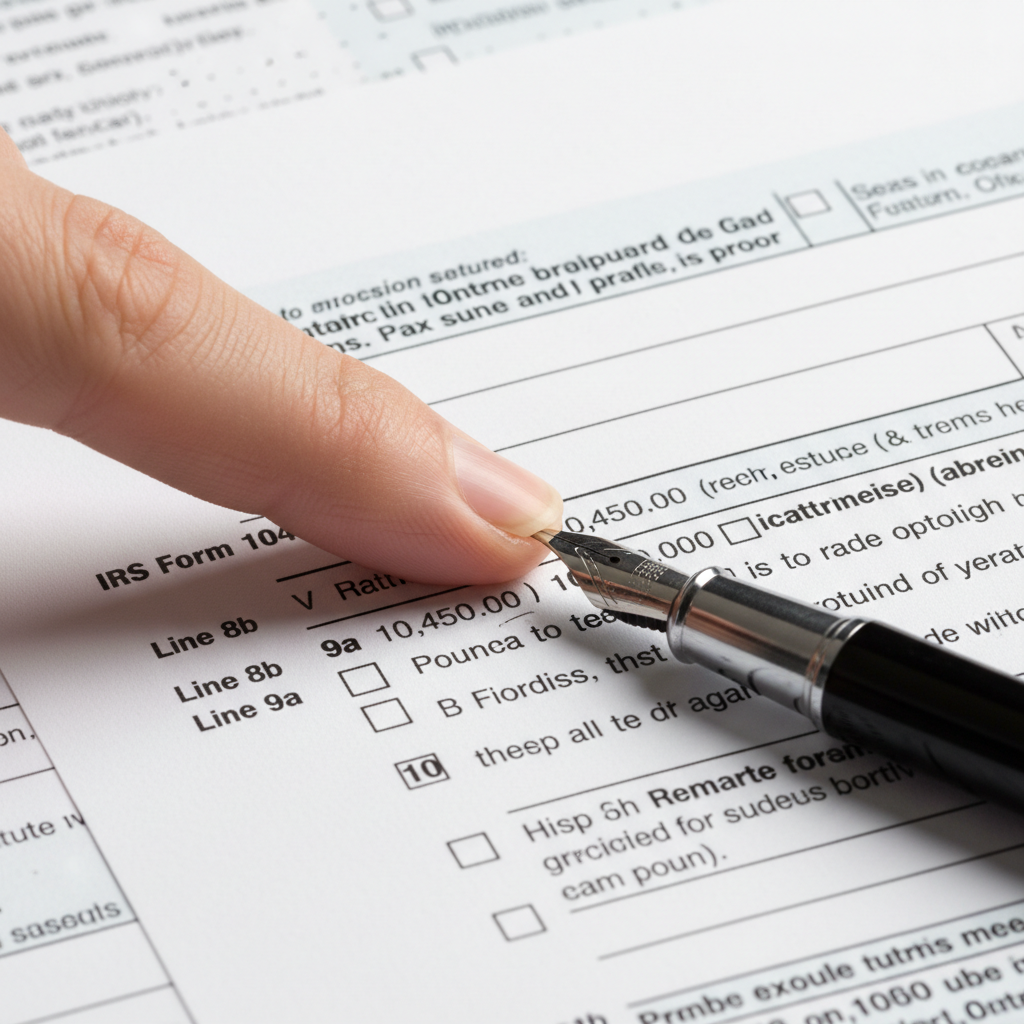
Understanding VAT Rates
There are three main VAT rates in the UK:
- Standard Rate: 20% for most goods and services.
- Reduced Rate: 5% for certain goods and services, such as children's car seats and home energy.
- Zero Rate: 0% for items like most food and children's clothing.
Understanding which rate applies to your products or services is crucial for accurate VAT calculation and reporting.
Common Mistakes to Avoid
Businesses often face challenges when filing VAT returns. Common mistakes include inaccurate record-keeping, missing deadlines, and incorrect VAT calculations. To avoid these, businesses should maintain accurate records, stay informed about VAT regulations, and consider professional accounting assistance.
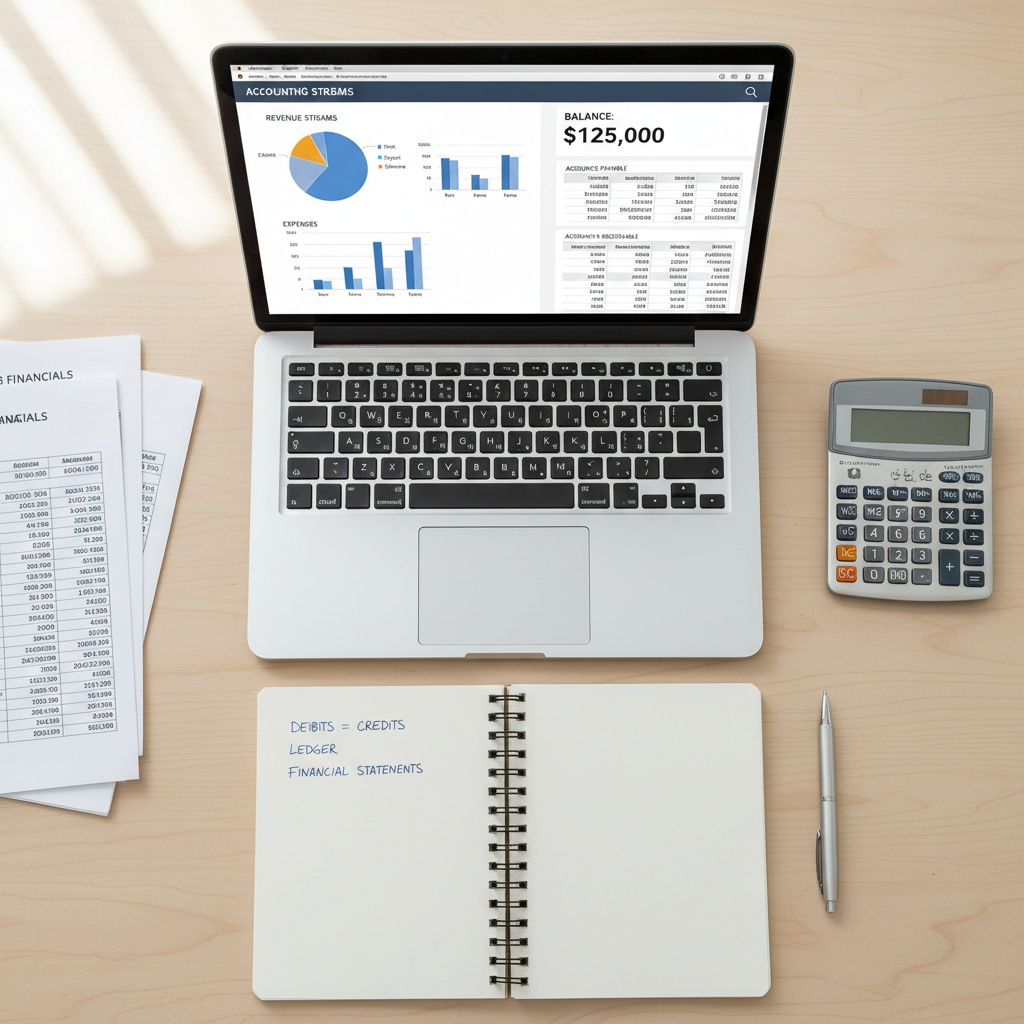
Benefits of Proper VAT Management
Proper VAT management offers several benefits, including improved cash flow management, reduced risk of HMRC penalties, and enhanced business credibility. By understanding and efficiently managing VAT returns, businesses can focus more on growth and less on administrative burdens.
In conclusion, understanding VAT returns is crucial for UK businesses to ensure compliance and optimize financial management. By familiarizing yourself with the basics and potential pitfalls, your business can navigate the VAT system with confidence and efficiency.